Our Story
How It All Began
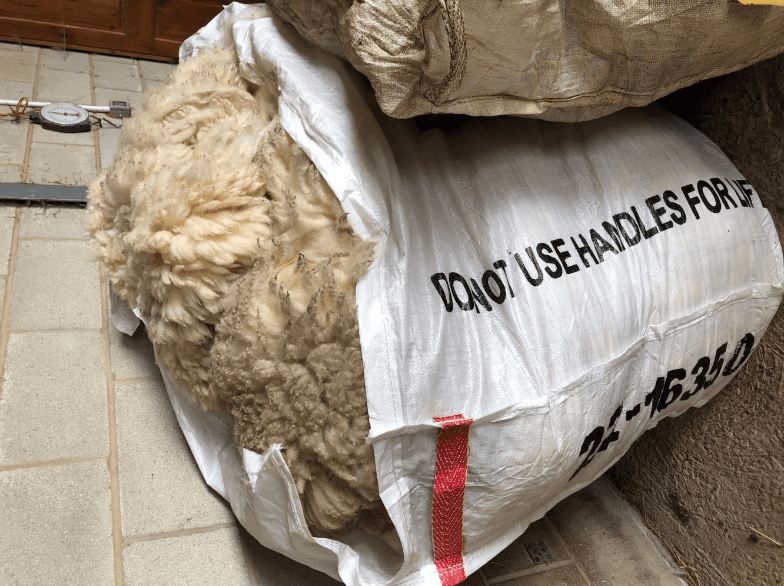
In 2020–2021, the value of wool had fallen dramatically. We received just 75p per fleece, yet shearing cost £5 per ewe, and payment could take up to a year.
Like many farmers in and around Lincolnshire, we began to question the value of wool at all.
During the lockdown period, an idea began to form:
What if we manufactured our own tweed?
By doing so, we could add value not only to the meat our sheep produce, but also to the fleece that had become almost worthless.
There was just one small problem.
✅ Pros: we had wool.
❌ Cons: we knew nothing about textiles.
So the journey began, and it quickly became an education.
Our Journey to Revive British Wool
Follow the milestones that mark our dedication to elevating British wool from fleece to luxury.
2014
Establishing Our Flock
We began cultivating our own pedigree flock of Hampshire Down sheep in the lush landscapes of Lincolnshire, setting the foundation for quality wool production.
2020
The Seed of an Idea
Inspired by the declining value of British wool, we envisioned a future where Hampshire Down wool could be transformed into something extraordinary.
2021
Partnership with Local Mills
Collaborating with traditional British mills, we initiated the intricate process of washing, spinning, and weaving our wool into premium tweed.
2023
Launch of Ancholme Valley Tweed
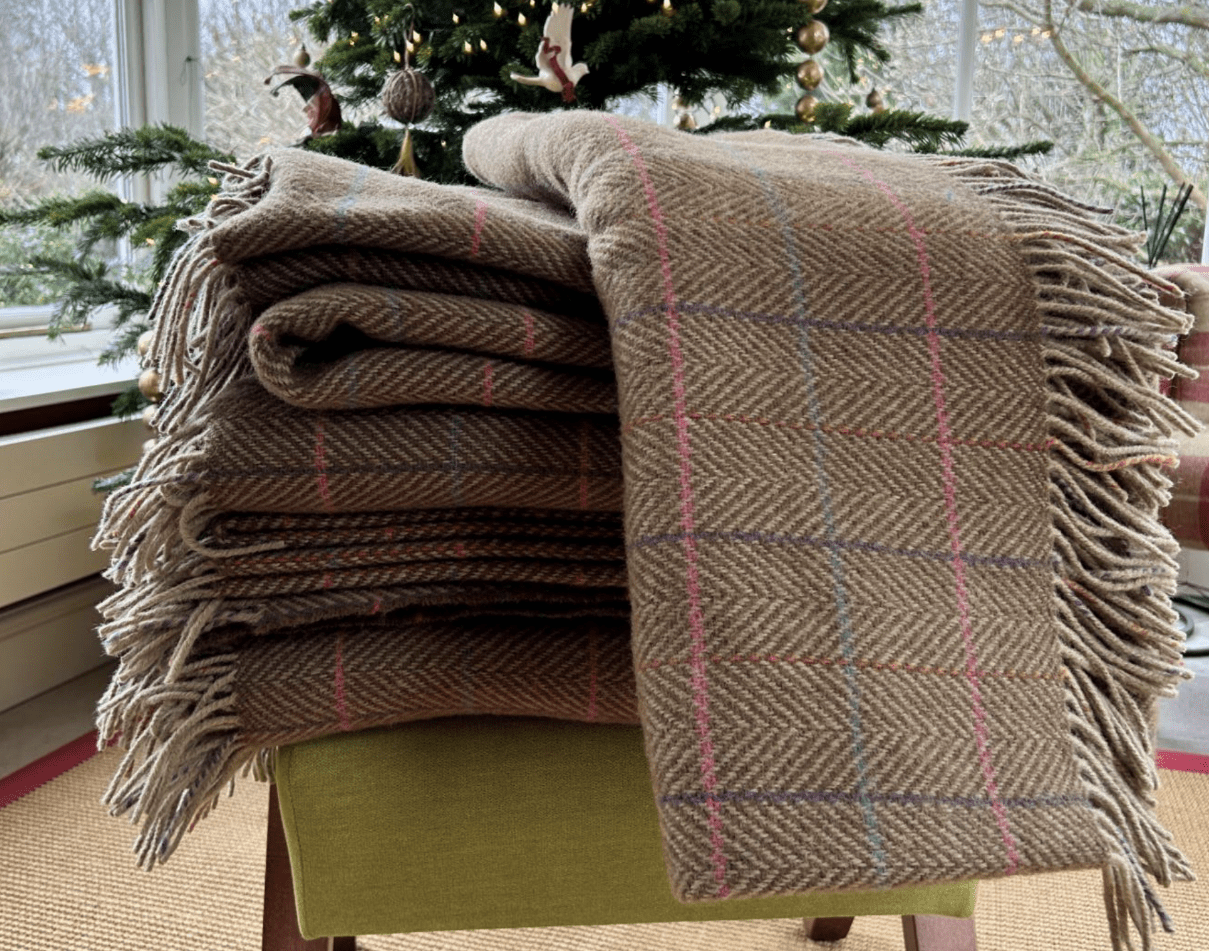
Our first collection of luxury tweed blankets debuted, showcasing the beauty and craftsmanship of British wool.
2023
Sustainability and Innovation
Continuing our journey, we focus on sustainable practices and innovative designs, ensuring our products remain timeless and environmentally conscious.
2025
Expanding Our Heritage
Looking ahead, we aim to expand our offerings while staying true to the heritage and quality that define Ancholme Valley Tweed.
From Fleece to Finished Tweed Item
1. Shearing
2. Preparing the Fleece
3. Washing & Carding
4. Spinning
5. Dyeing
6. Weaving
7. Finishing